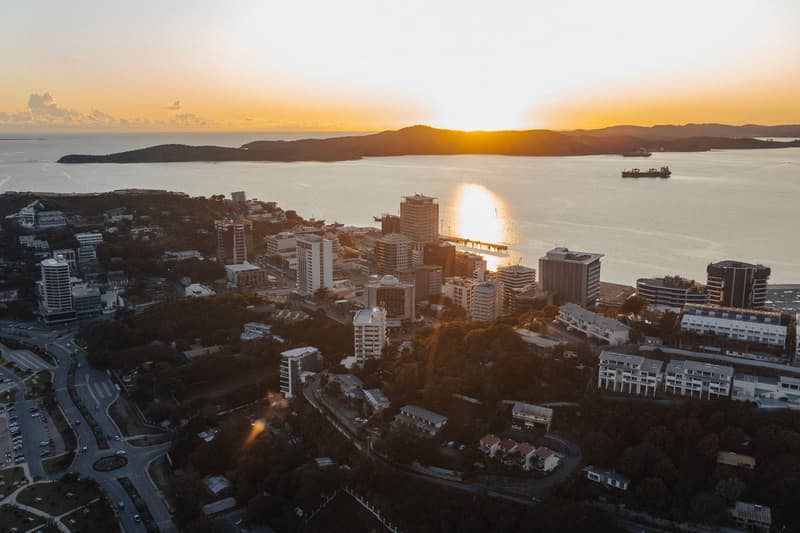
In 1942 Port Moresby was the main Allied base in New Guinea and a key to the defence of Australia. Capturing it was a major Japanese goal.
A city under threat
Japanese aircraft first bombed Port Moresby in February 1942, and raids continued through the year. In May 1942 the Battle of the Coral Sea turned back a Japanese seaborne invasion force bound for the town.
The Kokoda campaign
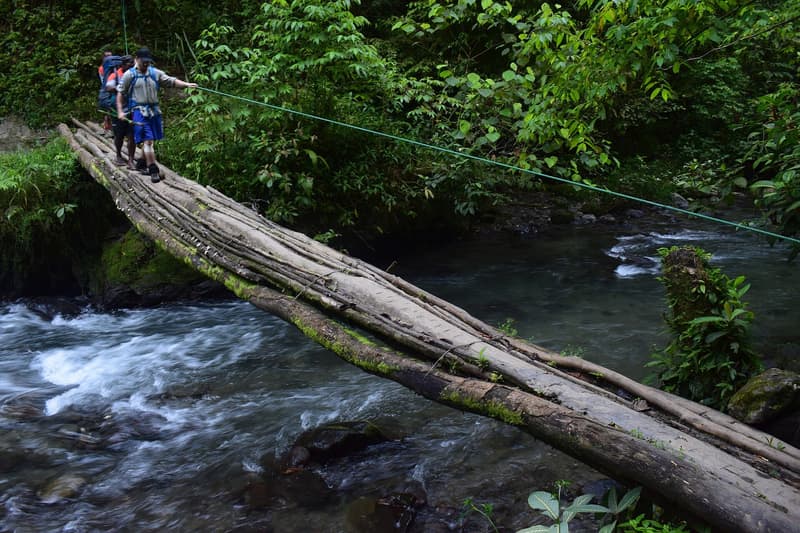
Japan then tried to reach Port Moresby overland, across the Owen Stanley Range on the Kokoda Track. Between July and November 1942, Australian troops, supported by Papuan carriers and soldiers, fought them back along the track. The carriers became known to Australians as the Fuzzy Wuzzy Angels.
Places to remember
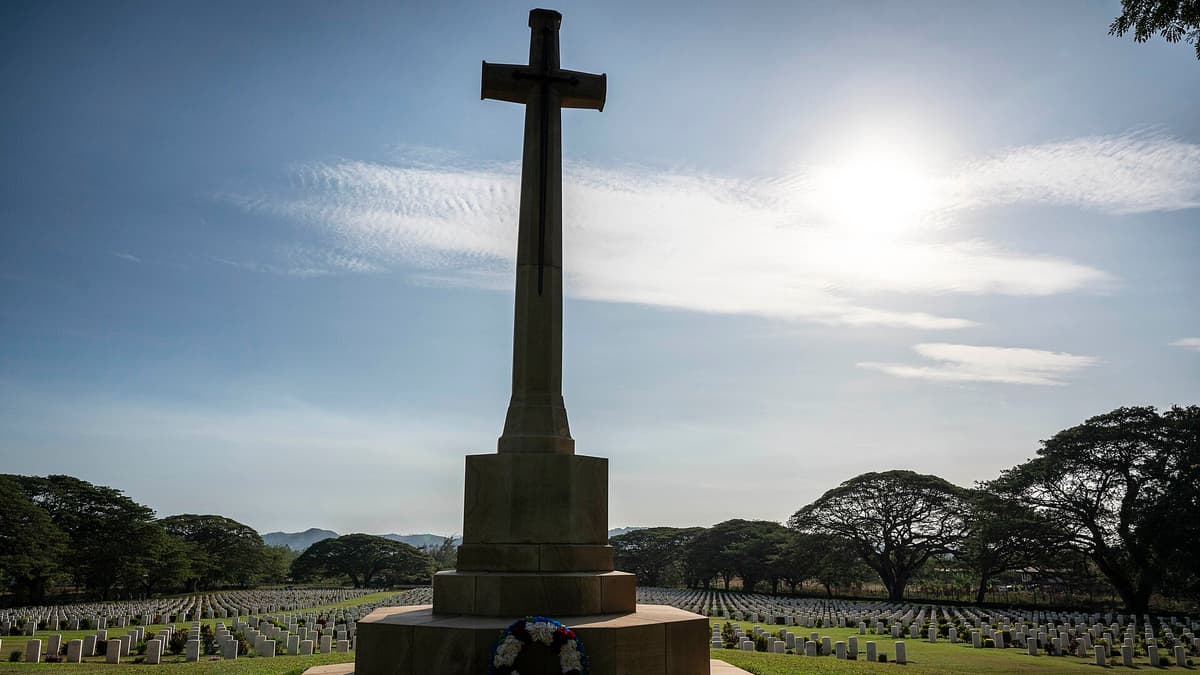
- Bomana War Cemetery, north of the city, is PNG’s largest war cemetery, with more than 3,000 Commonwealth graves.
- Owers’ Corner, about an hour from town, is where the Kokoda Track begins, with memorials and views over the ranges.
- The Sogeri Road passes several sites linked to the campaign.
A dawn service is held at Bomana each ANZAC Day, on 25 April. Dress respectfully when you visit. Our guide to Bomana War Cemetery and ANZAC Day has more.
General information, checked against public sources in November 2026. Conditions change, so confirm the details locally before you travel.